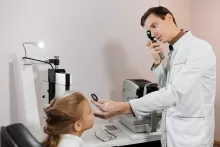
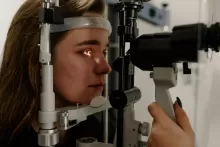
Proactively discuss with your doctor if axial growth exceeds 0.1-0.2mm per year and/or if the refractive error changes by more than 0.25 D per year. However, depending on factors such as race, age, gender, and others, your child's nearsightedness may still be well managed.
Practical digital tools to effectively manage nearsightedness leveraging audiobooks, mobile phone apps, or smart home assistants. Monitor screen time and distance using Apple device’s health features.
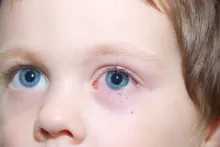
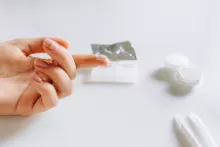
Remove and stop wearing contact lenses if your child has pink eye. Contact the eye doctor if symptoms persist in case of infection. Keep backup glasses on hand.
Explore options to stop or slow nearsightedness (2023 US perspective): atropine, soft contact lenses, overnight lenses, and glasses. Take action promptly and adhere to treatment.
A multifocal contact lens has multiple prescription strengths within a single lens, helping people with presbyopia to see clearly or slow down the worsening of myopia in children.